Hidden Signs of Storm Damage Homeowners Need to Know
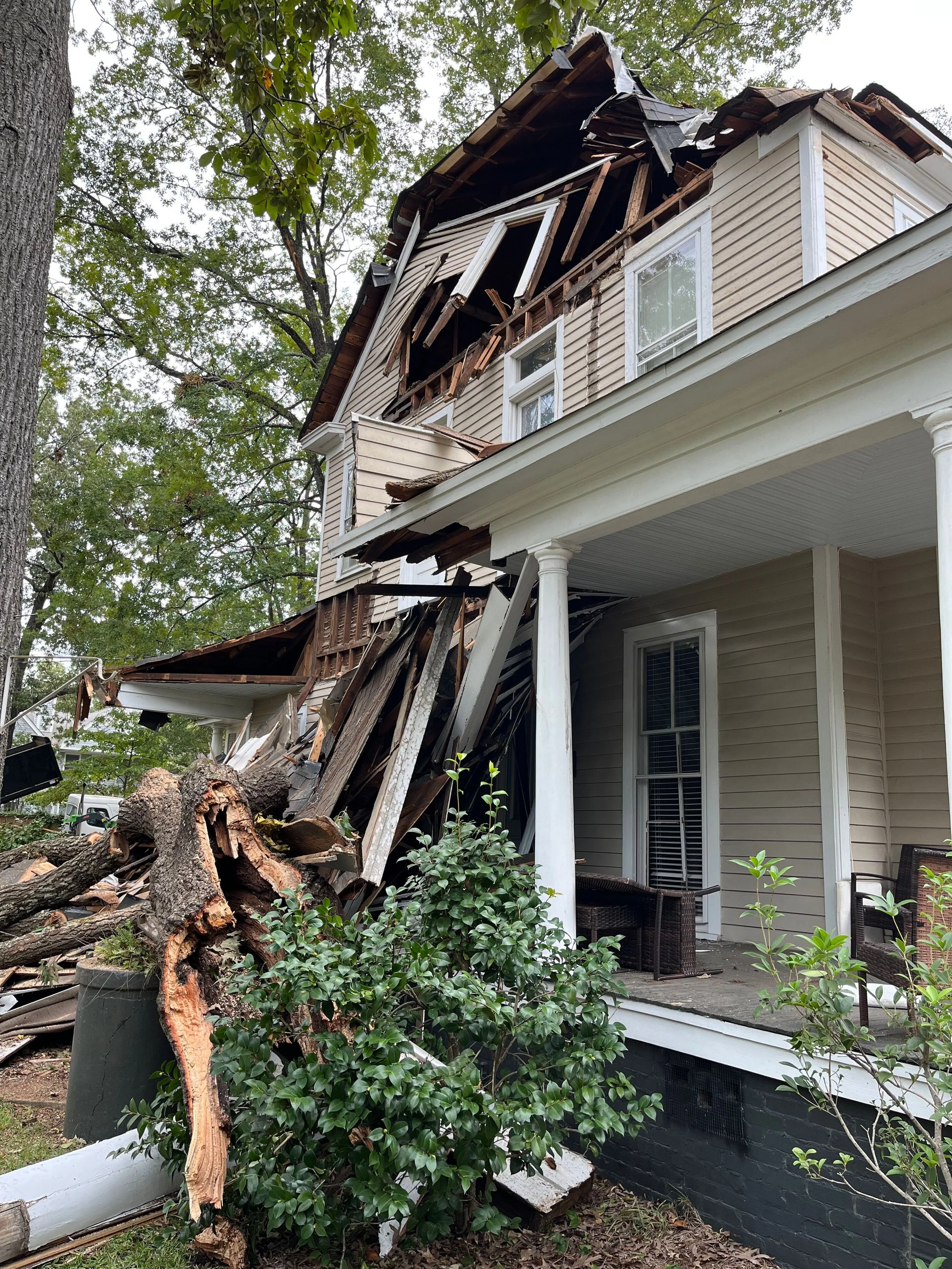
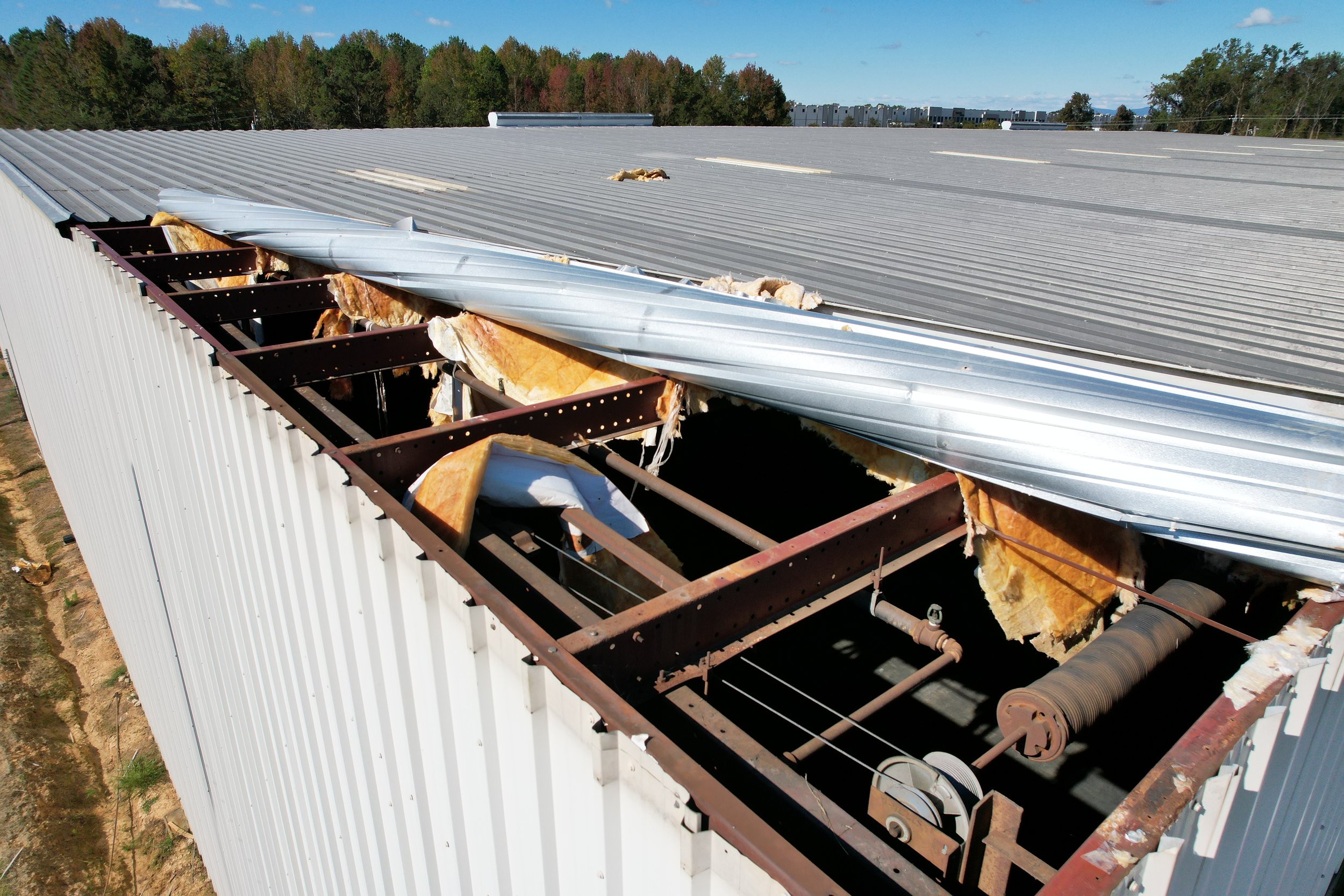
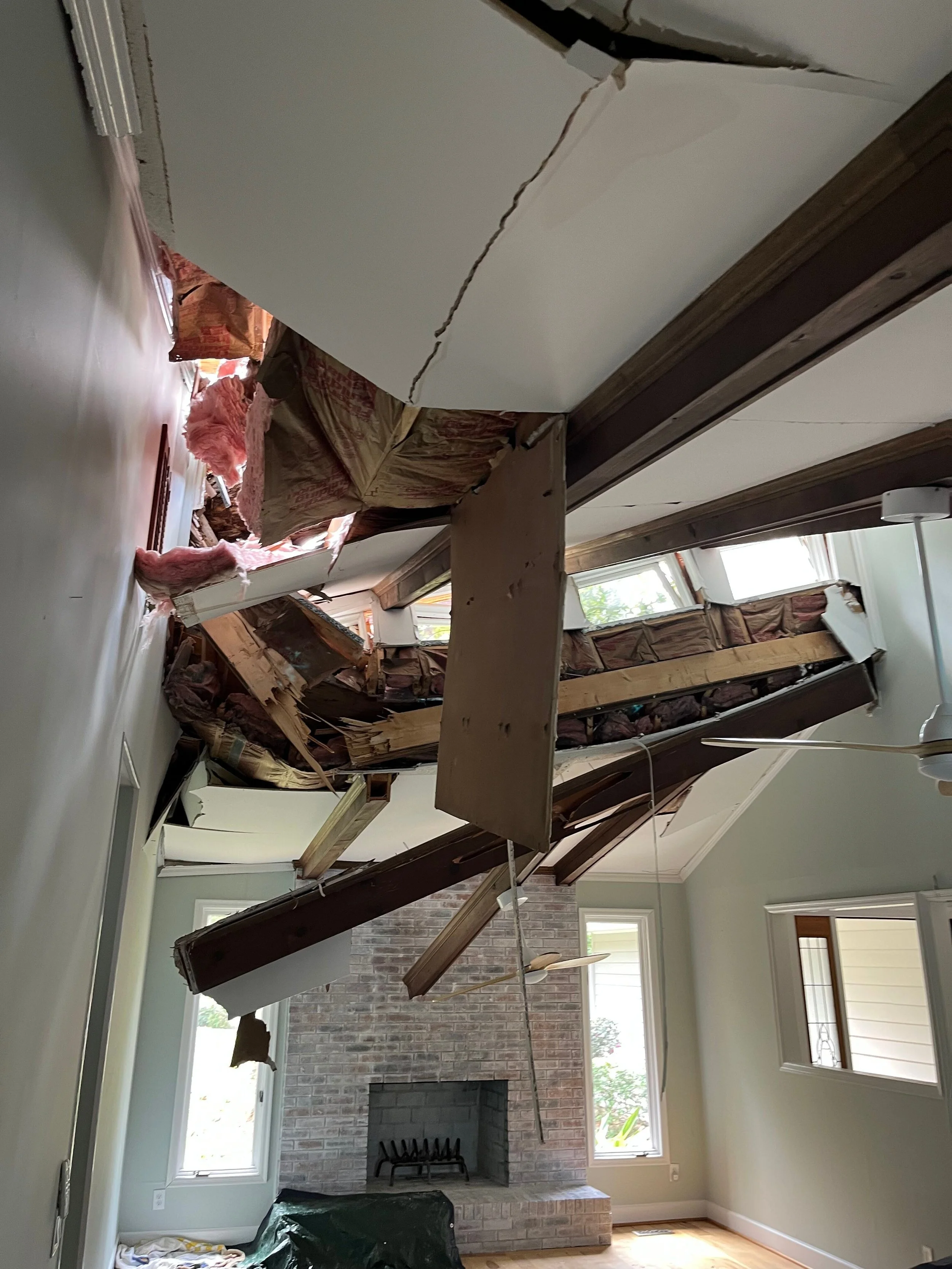
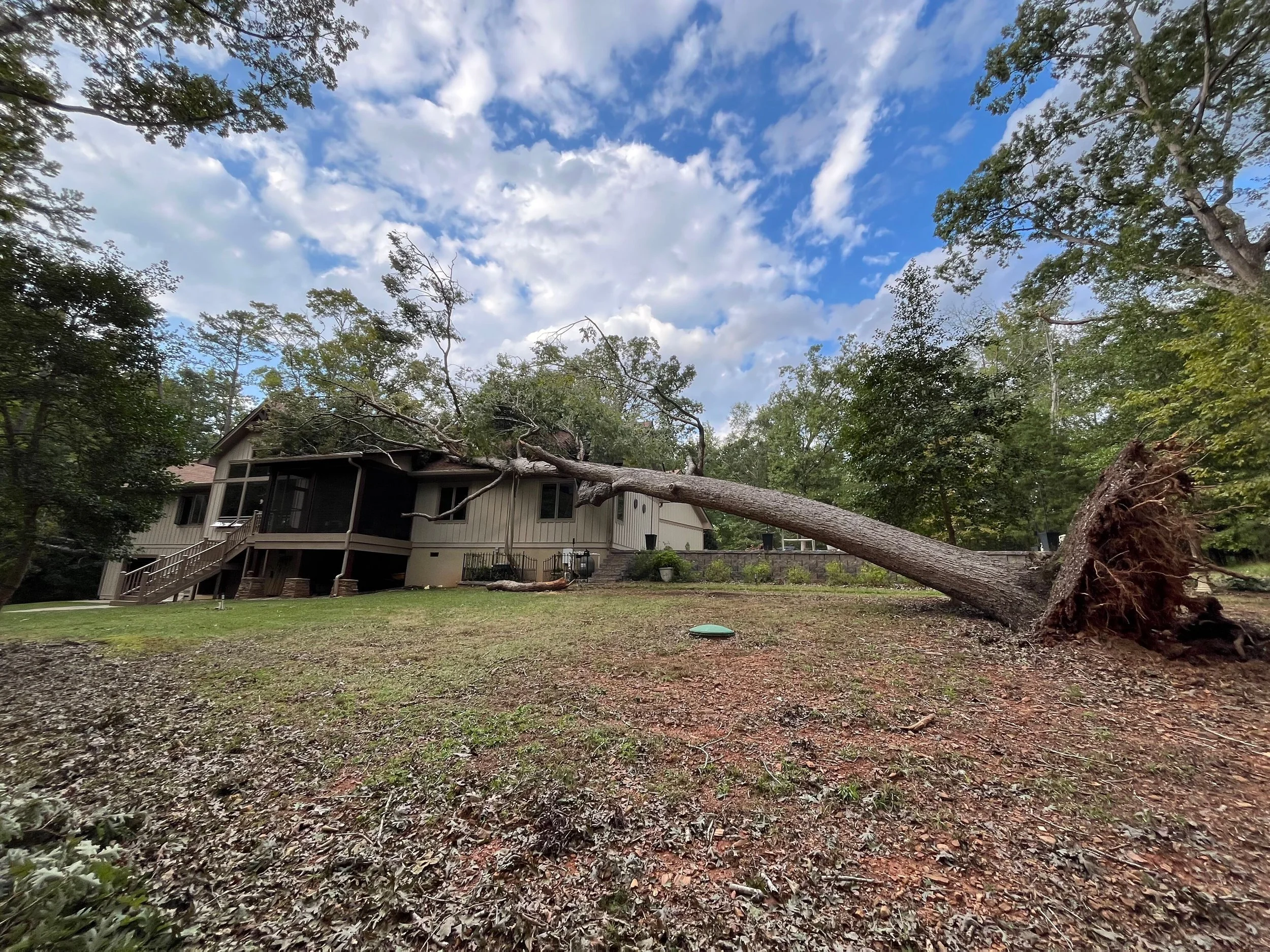
Not all storm damage is apparent. After a hurricane or severe storm, most homeowners look for the big, visible issues such as broken windows, roof damage, or flooding inside the house.
But some of the most costly storm damage can be harder to notice. From water creeping behind the siding of your house to subtle structural issues, these issues often go unnoticed until they cause bigger—and more expensive—problems down the road. That’s why booking a professional storm inspection with a HAAG-certified engineer matters.
That’s why booking a professional storm inspection with a HAAG-certified engineer matters.
What are some commonly overlooked signs of storm or hurricane damage?
Water Seepage Behind Walls or Siding
One of the biggest red flags is hidden water damage. Wind-driven rain often finds its way behind siding, window seals, or exterior trim. Left unchecked, it can cause growing concerns like mold growth, wood rot, or insulation damage.
Gutters and Drainage Systems
Heavy winds can often loosen or misalign gutters. When gutters don’t drain properly, this can cause water to collect around the foundation of a home, leading to cracks, soil erosion, and long-term structural storm damage.
Windows and Frames
Broken windows are easy to spot—but subtle warping or seal damage is not. Compromised seals allow moisture to seep into window frames, where it can cause hidden rot or energy loss.
Foundations
Hurricanes and heavy rains have the ability to shift soil, which puts stress on home foundations. Small cracks or uneven settling may go unnoticed until they worsen into major structural issues. The Massey team can conduct a thorough post-storm inspection to help spot these commonly overlooked signs of damage before they escalate.
What is the risk of ignoring hidden storm
damage?
Overlooking hidden damage may save time in the short term, but the risks can be significant.
Hidden damage can surface later on, contributing to higher repair costs.
Insurance challenges could arise if damage is discovered outside of a period of time recognized by your policy.
Safety concerns could be a risk from weakened foundations, loose roofing, or water-damaged walls that compromise your home’s structural integrity.
Buying or selling complications could be a factor during home inspections, potentially lowering property value.
Repeat damage in the next storm is a big risk from unrepaired weaknesses that can make your home more vulnerable to the next storm or hurricane.
Why do I need a professional inspection after a storm?
A licensed engineer is trained to evaluate the full structural health of your home. At
Massey Engineering, we go beyond surface-level fixes to ensure your home and
family are secure.
Here’s why a Massey Engineering post storm assessment makes the difference:
HAAG-Certified Master Level Inspector: This elite certification means our engineers are trained to identify even the smallest signs of storm-related structural issues.
Comprehensive evaluation: From roof to foundation, we look for both visible and hidden damage.
Detailed reporting: Our engineer-stamped reports carry weight with insurance companies, helping you get the appropriate coverage.
Trusted expertise: With decades of experience in storm recovery services, we’ve seen the risks homeowners face in South Carolina’s climate—and we know how to protect against them.
If you’re looking for a professional, certified engineer to conduct a post-storm
assessment, get in touch with us to set up an appointment.